All marketing strategies inherently depend on understanding and manipulating human psychology to influence decision-making. Marketing tactics like advertisements are created meticulously to urge people to make a decision or action they might not consciously choose. In the TedTalk by Sally Woellner, Sally explains that even a simple change of colour on a button can increase the amount of people who choose to click on it. A more specific and recent example is DoorDash’s warning about delayed deliveries. The platform uses passive-aggressive messaging to envoke guilt in the user to tip their driver. “Orders with no tip might take longer to get delivered — are you sure you want to continue?” This practice is a perfect example of how dark design patterns rely on human psychology to influence behaviour and make sales.
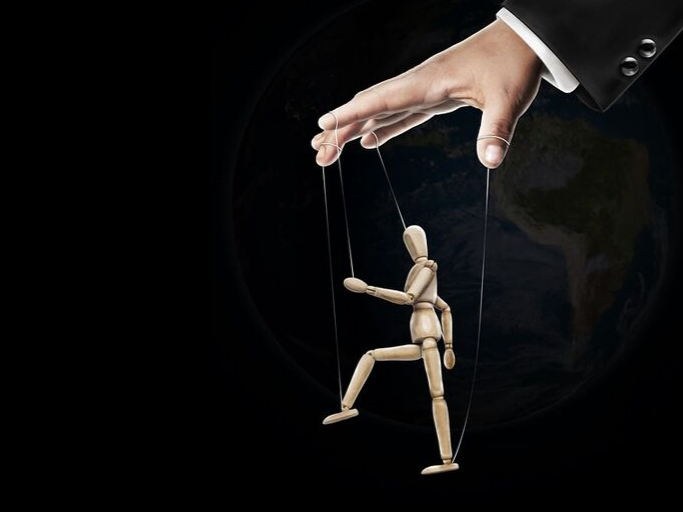
Philosopher’s that have dealt with ethics have always emphasized the significance of autonomy, and the importance of treating people as more than a mere means to an end. Actions that covertly undermine a users voluntary, informed consent, contradict these principles. Individuals should not be manipulated into actions they wouldn’t otherwise choose.
Applying this logic to the marketing from DoorDash, it becomes clear that dark design patterns violate fundamental ethical principles by prioritizing corporate individual gain over user equality and autonomy. These patterns treat individuals as tools for profit rather than humans with their own capacity for informed decision making.